Relocating to a new residence represents a significant milestone, often filled with anticipation and the promise of a fresh chapter. However, the logistical reality of transporting an entire household of possessions from one structure to another frequently introduces immense psychological and physical strain. In the initial planning phases, many individuals find themselves standing at a critical strategic crossroads, weighing the perceived financial savings of a self-managed transition against the structured coordination of professional relocation specialists. While the absolute control and theoretical economy of securing a rental truck and convincing acquaintances to assist with heavy lifting might initially seem appealing, a comprehensive assessment reveals that this path introduces substantial hidden challenges, structural risks, and unquantified expenditures.
The complexities inherent in domestic transit extend far beyond the mere act of moving items from one location to another. Every piece of furniture, fragile heirloom, and tightly packed container requires specialized handling, strategic spatial arrangement, and accurate physical management to survive the rigors of transit without sustaining severe damage. Choosing to undertake this enormous enterprise independently frequently results in prolonged periods of intense exhaustion, damaged household goods, and severe physical fatigue. In sharp contrast, choosing to collaborate with an established local mover introduces a level of structural organization, security, and specialized operational knowledge that an independent execution simply cannot replicate. This exploration examines the multi-faceted dynamics of residential transitions, demonstrating why delegating these duties to credentialed experts consistently yields a superior, more efficient, and ultimately safer outcome.
Eliminating Physical Strain and Personal Injury
The physical demands of a residential relocation are notoriously severe, involving hours of repetitive lifting, awkward maneuvering through narrow pathways, and navigating steep staircases with heavy loads. Individuals who are unaccustomed to such rigorous, continuous physical labor are highly susceptible to acute injuries, ranging from severe muscle strains and painful joint sprains to debilitating back injuries. Professional relocation teams, however, undergo intensive training to master optimal mechanics, safe lifting techniques, and collective coordination procedures. They understand how to distribute physical weight effectively, utilizing specialized safety gear to protect their bodies while managing cumbersome architectural obstacles without compromising their structural well-being.
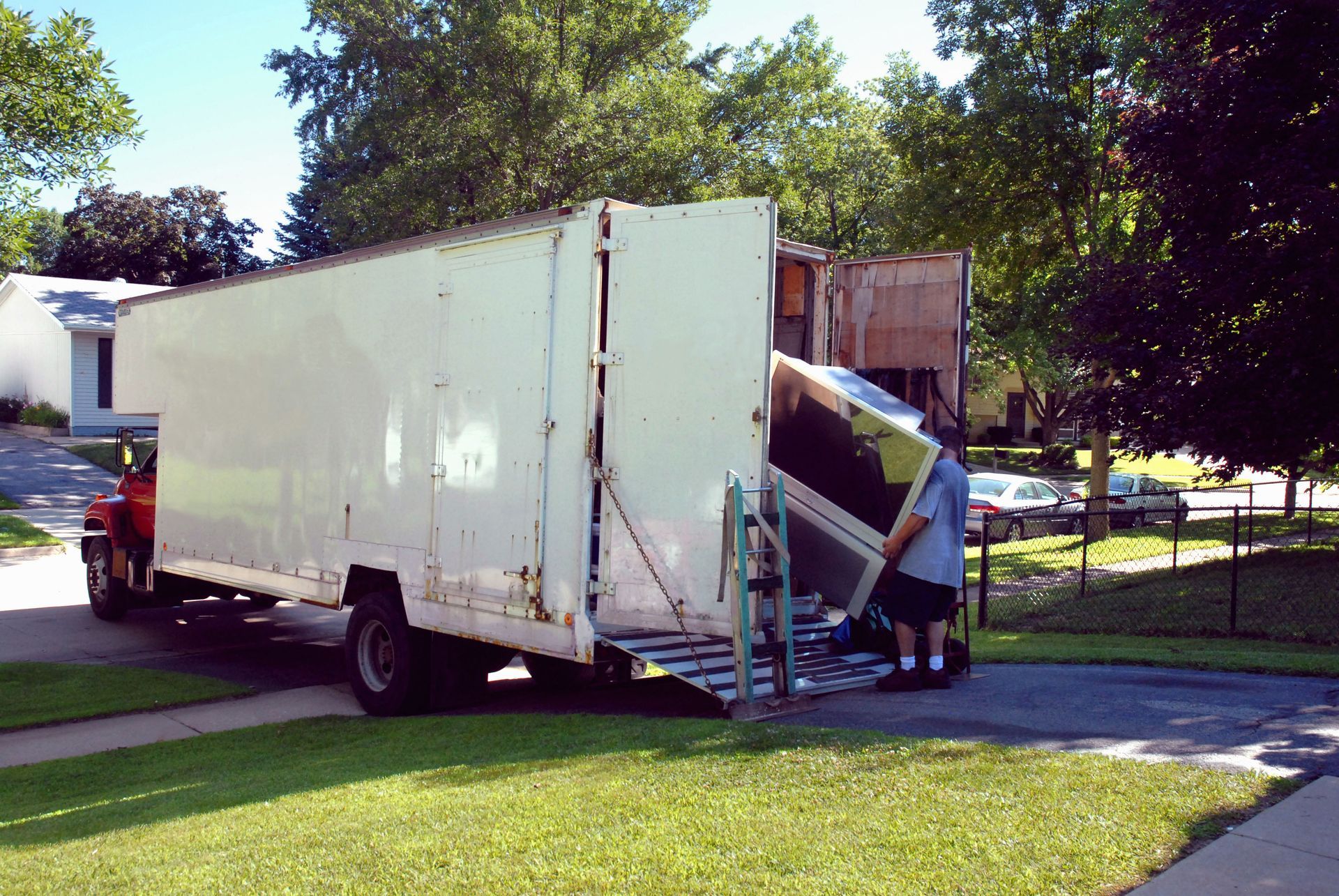
Furthermore, self-managed relocations rarely feature the comprehensive inventory of heavy-duty industrial apparatus necessary to execute demanding physical maneuvers securely. Professional transit personnel arrive fully equipped with heavy-duty moving dollies, specialized appliance straps, protective shoulder harnesses, and durable ramps designed to bridge structural gaps seamlessly. Attempting to maneuver massive objects such as solid hardwood wardrobes, heavy laundry appliances, or delicate pianos without these mechanical aids significantly elevates the probability of a catastrophic drop or personal mishap. By delegating these demanding obligations to a professional local mover, property owners effectively eliminate personal physical risk, ensuring that the heavy physical labor is managed exclusively by resilient, well-trained specialists who specialize in mitigating physical strain.
Securing Comprehensive Protection for Household Valuables
Household goods possess both substantial financial value and irreplaceable sentimental significance, making their protection during a transition a paramount consideration. Amateur packing and loading techniques regularly fail to withstand the dynamic forces experienced inside a moving vehicle during sudden braking, sharp turns, or encounters with uneven road surfaces. Without the proper application of professional-grade protective padding, specialized structural stabilization, and heavy-duty tie-down straps, items frequently shift violently in transit, resulting in broken glass, fractured furniture legs, and ruined electronics. Professional transit operators possess an advanced understanding of spatial geometry and vehicle stability, allowing them to construct highly secure, perfectly balanced cargo configurations that completely eliminate damaging structural shifts.
According to Forbes, almost 60% of local movers generally stayed within county lines, while almost a quarter left the county but stayed within their states.
This geographical pattern emphasizes that even when transit distances remain relatively short, the structural hazards of loading and unloading are just as critical as those encountered during cross-country journeys. A professional local mover treats short-distance transit with the same rigorous care as long-distance hauls, employing heavy-duty quilted blankets, custom-fitted crating, and advanced plastic stretch wrap to shield every vulnerable surface from scratches, dents, and environmental moisture. Additionally, reputable moving firms provide legitimate valuation coverage, supplying clients with contractual financial recourse and complete peace of mind should an unforeseen accident occur. This protective financial buffer is entirely absent during a self-managed move, where any broken item represents an immediate, unrecoverable out-of-pocket financial expense for the property owner.
Navigating Complex Regional Routes with Structural Efficiency
Every municipal region features a distinct, complex tapestry of structural challenges, ranging from dense urban traffic congestion and strictly enforced parking limitations to narrow historic thoroughfares, low-clearance bridges, and unpredictable neighborhood road patterns. Operating a large, high-profile commercial rental truck through these unfamiliar, constrained environments presents an intense psychological challenge for drivers who are accustomed to maneuvering standard passenger vehicles. The lack of rear-vision visibility, expanded turning radii, and sluggish braking responses inherent in large commercial vehicles significantly heighten the likelihood of vehicular scrapes, property damage, or serious traffic accidents.
Conversely, established regional transit specialists possess deep familiarity with the specific geographic territory they serve. They understand which secondary roads experience heavy gridlock during peak hours, which residential zones feature strict commercial vehicle restrictions, and where to position large transport vehicles to ensure optimal loading access without violating local municipal ordinances. This granular geographic familiarity translates directly into optimal route efficiency, minimized transit durations, and a significant reduction in the stress associated with operating oversized machinery. Relying on a dedicated local mover ensures that the transport vehicle takes the safest, most logical path possible, bypassing logistical bottlenecks and avoiding costly directional mistakes.
Preserving Essential Mental and Emotional Energy
The psychological and emotional toll of organizing a residential transition is profound, routinely ranking as one of the most exhausting experiences an individual can undergo. Managing the termination of utility services, updating formal addresses, coordinating school transfers, and packing hundreds of personal items naturally creates intense mental fatigue. Superimposing the immense physical responsibilities of driving a large transport vehicle and lifting heavy objects onto an already overwhelmed mind can trigger severe burnout and deep emotional exhaustion, turning what should be an exciting milestone into a miserable ordeal.
Securing professional moving support completely alters this stressful dynamic by offloading the most difficult, labor-intensive components of the transition to a capable outside team. With an expert crew managing the physical lifting, structural truck loading, and driving, the property owner can step back and maintain a macro perspective, keeping their mental energy focused on settling into their new neighborhood and supporting family members.
While the idea of a self-managed, DIY move may initially seem like an attractive way to save money, a closer look at the physical, practical, and financial realities shows that professional assistance is the superior choice. The immense physical strain, the high risk of property damage, the challenges of navigating local traffic in a large vehicle, and the hidden costs all combine to make an independent move highly inefficient. Entrusting your transition to a professional local mover guarantees an orderly, secure, and stress-free relocation, allowing you to bypass the chaos and protect both your personal health and your valuable belongings.
As you plan your upcoming residential transition, we invite you to experience the ultimate peace of mind that comes from a seamless, expert relocation. At Fabio Moving Services LLC, we step forward as your dedicated collective voice and trusted partner, handling every heavy lift and logical detail with absolute precision so you can focus entirely on your bright new future. Contact us today to learn more.